The Cost of Being Wrong
Budget season forces a brutal clarity. Every initiative competes for funding; every risk is weighed against finite resources.
Deepfake risk often struggles to gain traction because it feels "new." Unlike ransomware, it lacks decades of historical loss data. It is often dismissed as a "future threat"—until the first $10 million…
The Price of Irreversibility
Treasury operates where speed meets irreversibility.
When a high-value wire is released, it is gone. Decisions are time-sensitive; markets close, and counterparties wait. Increasingly, the approvals that trigger these transfers are mediated through voice calls and virtual meetings.
This shift has weaponized the "Human Layer."
A convincing synthetic voice, armed with…
Finance’s Ultimate Pressure Test
Year-end close is a race against the clock.
Deadlines converge. Auditors demand documentation. Executives move rapidly between virtual boardrooms. In this environment, authority is assumed and urgency is normalized.
This is the ideal hunting ground for synthetic impersonation.
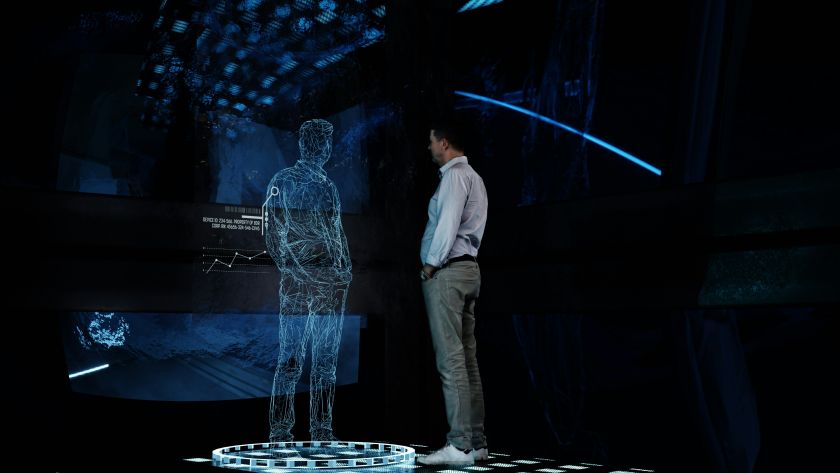
When approvals happen via video and voice, deepfakes replicate the exact signals finance…
The New Face of Invoice Fraud
Invoice fraud used to be a document problem. Finance teams focused on spotting altered PDFs, mismatched purchase orders, and suspicious email domains. Controls were built around documentation and the segregation of duties.
Now, the attack has shifted to the human layer.
Attackers no longer rely solely on fraudulent emails;…
Procurement has always been relationship-driven.
Vendors are onboarded through trusted contacts. Payment details are confirmed over a quick call. Urgent invoice discrepancies are resolved with a follow-up conversation to "clear things up." These workflows are designed for efficiency and partnership.
That same relationship model now creates a "Deepfake Gap."
Modern vendor fraud no longer requires…