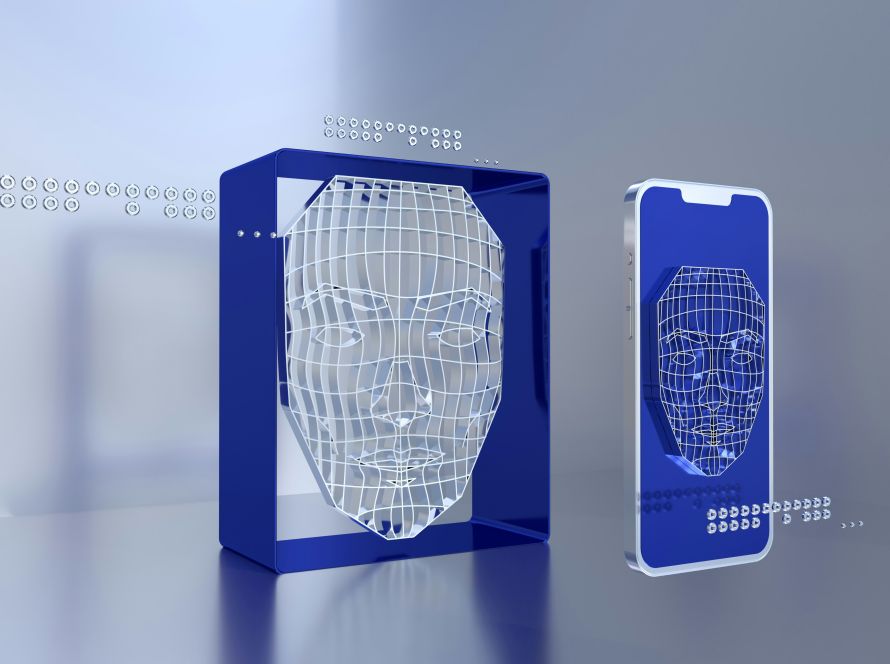
The End of the Security Silo
In the current landscape, “seeing and listening is not believing.” With generative AI fraud losses projected to hit $40 billion by 2027, the era of passive, disconnected security is over.
At TC&C, we understand that even high-fidelity AI detection is a liability if it lives in a silo. To become Deepfake Resilient, enterprises must weave a Proactive Shield directly into the fabric of their daily operations: their CRMs, CCaaS platforms, and financial workflows.
Why Placement is Power
Traditional tools rely on static biometric checkpoints—a hurdle that modern synthetic media clears with ease. Deepfake Guard shifts the paradigm by assessing the validity of the ongoing communication in real-time.
For an agent in a high-pressure contact center or a treasurer on a fast-moving floor, a separate security dashboard is a dangerous distraction. Integrations are not just a feature; they are the Identity Layer that makes defense possible.
1. CCaaS: Real-Time Intervention
Contact centers are primary targets for synthetic voice clones aimed at account takeovers. By integrating Deepfake Guard natively with platforms like Microsoft Teams, Cisco Webex, or Zoom, we remove the “guesswork” from the human firewall.
- The Real-Time Gauge: An authenticity score is embedded directly into the agent’s active interface, providing instant feedback without disrupting the call flow.
- The Deepfake Captcha: If the system flags a suspicious signature, it triggers a proprietary challenge-response test, forcing the caller to prove their humanity through dynamic interaction.
2. CRM: Contextual Intelligence and Auditability
A deepfake attempt is rarely an isolated incident. Connecting Deepfake Guard to your CRM transforms a one-time alert into a permanent record of digital trust.
- Intent Analysis: The system interprets emotional tone and intent, cross-referencing anomalies with known fraudulent patterns.
- Persistent Logging: Every flagged interaction is logged within the customer profile. This ensures that future interactions are met with appropriate scrutiny, building a long-term map of risk.
3. Compliance and the CARIN Bridge
For regulated industries, “Truth in Compliance” is a legal mandate. Deepfake Guard integrates seamlessly with the CARIN compliance recorder, creating a unified ecosystem for Precision and Risk Mitigation.
- Untampered Records: Integration ensures that legally required recordings are authenticated at the source, making them forensic-ready for audits.
- Immediate Escalation: Supervisors receive real-time notifications the moment a deepfake is detected during a recorded session. This allows for intervention before a fraudulent instruction is executed.
Neutralize the Threat Before the Damage is Done
Corporate complacency is the greatest ally of weaponized AI. While 60% of executives admit their firms have no protocols for deepfake risks, the leaders who integrate an Identity Layer are securing their operations against the next $25 million diversion attempt.
Don’t wait for a synthetic “CFO” to request a wire transfer. Harden your workflow today.
Challenge Your “Human Firewall”
Think your team can spot a deepfake better than our AI?
- Test your senses: Play the Deepfake Investigator simulation and see if you can beat the guard.
- Audit your workflow: Contact TC&C for a Workflow Exposure Assessment to identify blind spots in your CRM and CCaaS integrations.
Secure your truth. Safeguard your trust. Integrate Deepfake Guard.