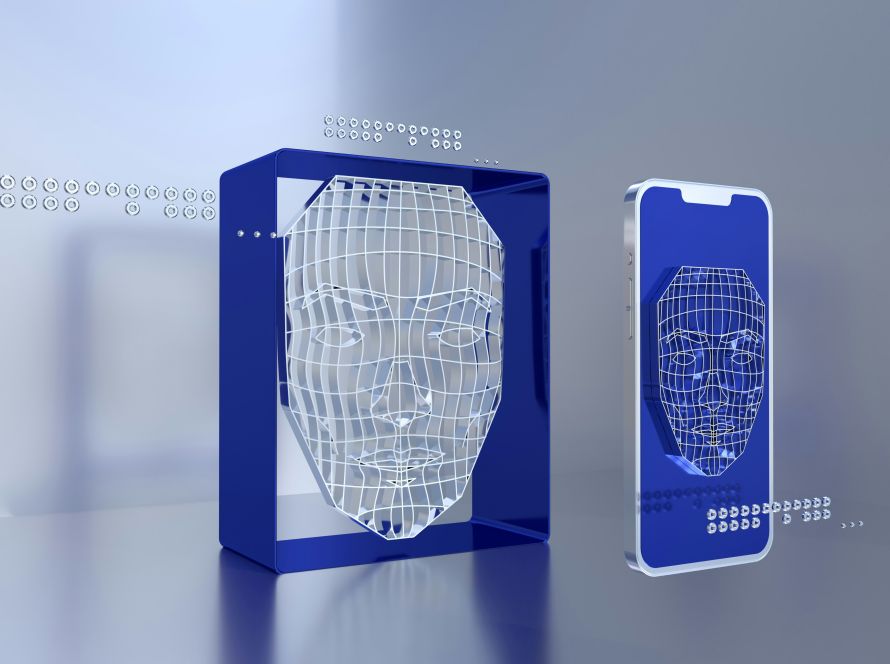
It is a dangerous misconception that deepfakes only deceive the uninformed. In reality, some of the most successful synthetic media attacks target high-level, tech-savvy executives. The failure isn’t a lack of technical knowledge; it is the exploitation of universal human psychology.
At TC&C, we recognize that attackers don’t need a perfect digital clone. They only need to build a perfect psychological trap. When fraud attempts occur every five minutes, they are counting on your “Executive Blind Spot” to bypass your critical thinking.
The Psychology of the Heist
Even if you understand how a Generative Adversarial Network (GAN) works, your brain is hardwired to prioritize social signals over technical scrutiny. Attackers use deepfakes to trigger specific biases:
- Authority Bias: We are conditioned to follow instructions from superiors. When a video call features the likeness of a Global CEO, the “compliance” part of the brain often overrides skepticism.
- Manufactured Urgency: Attackers create high-pressure scenarios—a “secret” acquisition or a regulatory crisis. In these high-stress moments, logic takes a backseat to reaction, making you miss the subtle artifacts of a synthetic voice or face.
- The Truth Bias: Humans have a default setting to believe what they see and hear. With experts predicting that 90% of online content will be synthetically generated by 2027, this biological default is now a corporate liability.
The Cost of a Psychological Breach
The financial fallout is absolute. Generative AI fraud losses are projected to reach $40 billion by 2027.
When an executive falls for a deepfake, the damage is rarely contained. While the average incident costs $500,000, high-stakes “BEC 2.0” attacks have successfully diverted $25 million in single transactions by simply mimicking the right person at the wrong time.
The Proactive Shield: Patching the Human Vulnerability
If the human brain is the vulnerability, then Deepfake Guard is the patch. We don’t rely on an executive’s ability to “spot the fake.” We provide a systematic, real-time assessment of the communication integrity.
- Contextual Intelligence: Our engine interprets the intent and emotional tone of the caller. If a “Chairman” displays uncharacteristic urgency or demands a bypass of standard financial protocols, the system flags the behavioral anomaly.
- Multimodal Real-Time Detection: While you focus on the conversation, DFG analyzes audio, video, and text streams in the background, identifying manipulation with extremely low latency.
- The Deepfake Captcha: To break the spell of authority, DFG introduces a neutral verification layer. By forcing a dynamic, unscripted interaction, our proprietary captcha confirms identity in a way that psychological manipulation cannot override.
Compliance as a Safety Net
For CARIN users, this protection is an extension of your existing governance. By integrating Deepfake Guard into your compliance recording workflow, you ensure that every executive-level mandate is verified for authenticity. This isn’t just security; it is Precision Risk Mitigation.
Stop Testing Your Luck
Corporate complacency is exactly what the fraudster counts on. They want you to believe your team is immune because they are “tech-savvy.” They are not.
Are you sure you could spot the fake? We invite you to challenge your biases in our “Be a Deepfake Investigator” Game. See how Deepfake Guard identifies the deception that the human eye misses.
Deepfake Guard: Securing Reality. Safeguarding Digital Trust.