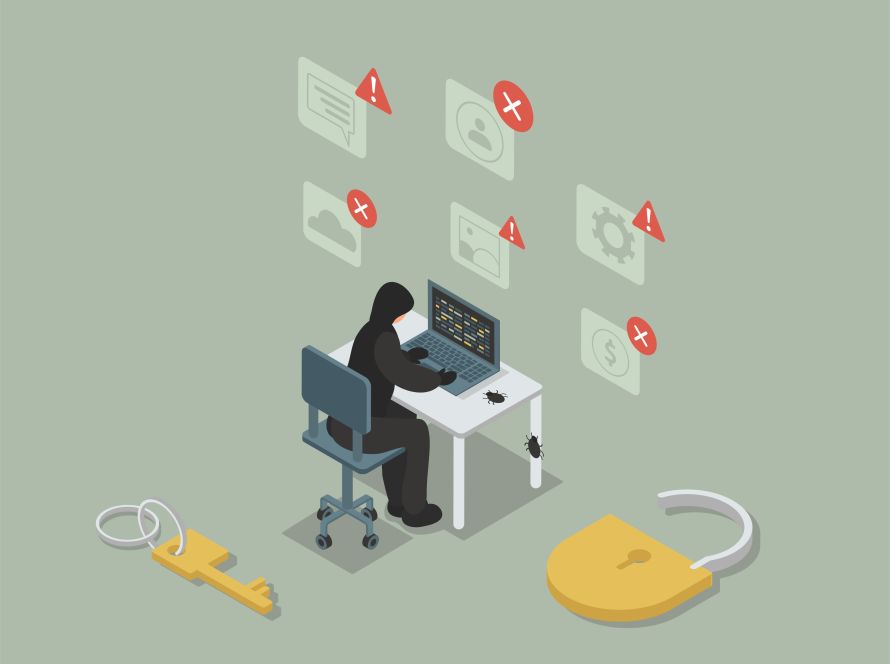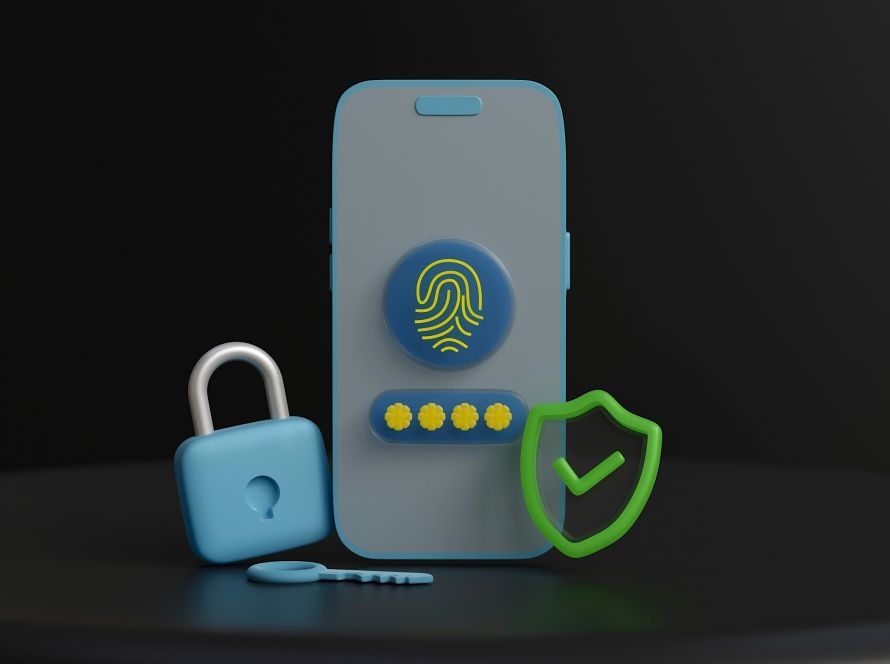
As AI-generated content grows increasingly sophisticated, organizations face a new frontier in cybersecurity: Deepfake attacks. For CISOs, protecting sensitive communications, transactions, and operations requires more than traditional security tools. Deepfake Guard leverages multimodal AI to detect threats that humans—and conventional systems—simply can’t see.
The Challenge: Why Traditional Security Measures Fall Short
Existing defenses like multi-factor authentication (MFA) and biometric verification provide a baseline of security, but they aren’t foolproof against Deepfakes. Attackers can now:
• Synthesize realistic voices to impersonate executives or clients
• Generate convincing facial expressions or lip-sync video content
• Evade detection systems that rely solely on single-modal analysis
This complexity creates blind spots in traditional security frameworks, exposing organizations to financial, operational, and reputational risks.
How Multimodal AI Protects Against Deepfake Threats
Deepfake Guard uses a multimodal approach, analyzing multiple data streams simultaneously to detect subtle anomalies:
- Audio Analysis
By examining micro-variations in pitch, tone, and cadence, the system identifies synthetic voices that may bypass standard voice biometrics. - Visual Analysis
Advanced computer vision algorithms scrutinize facial movements, lip-sync accuracy, and micro-expressions, revealing inconsistencies that are imperceptible to human eyes. - Contextual Analysis
The engine evaluates interactions within the broader context, cross-referencing behavioral patterns, transaction history, and environmental cues. This layer ensures that even sophisticated AI-generated content is evaluated against realistic expectations. - Generative AI Agnostic Framework
Deepfake Guard is designed to recognize manipulations from any generative AI model—current or future—ensuring long-term protection against evolving synthetic threats.
The Benefits of a Multi-Layered Detection Strategy
• Real-Time Alerts: Suspicious interactions are flagged immediately, enabling rapid intervention.
• Reduced False Positives: Contextual and multimodal analysis minimizes unnecessary disruptions.
• Future-Proof Security: By remaining agnostic to specific generative models, the system adapts to new AI threats automatically.
• Enhanced Compliance: Detailed logging and reporting simplify regulatory audits and internal risk assessments.
Why CISOs Should Consider Multimodal AI
For security leaders, the value of Deepfake Guard extends beyond detection: it strengthens overall risk posture. By integrating AI-driven alerts with existing security protocols, CISOs can:
• Protect high-value communications and transactions
• Empower teams with actionable insights
• Maintain regulatory compliance
• Reduce potential financial and reputational damage
How TC&C Supports Advanced Security Strategies
At TC&C, we understand the evolving nature of cyber threats. Deepfake Guard provides a robust, AI-driven layer of protection that complements traditional security measures. With real-time detection, contextual analysis, and a generative AI-agnostic approach, organizations gain confidence that even the most sophisticated synthetic threats are identified and mitigated before they can cause harm.
Conclusion: Seeing the Unseen
As attackers increasingly leverage AI to bypass conventional defenses, security teams must adopt tools that can detect subtle, multimodal signals. Deepfake Guard empowers CISOs to stay ahead of emerging threats, securing sensitive communications and critical operations against attacks that human intuition alone cannot catch.
Take Action Today
Don’t leave your organization vulnerable to AI-generated threats. Contact TC&C to learn how Deepfake Guard can strengthen your security posture and protect against the next generation of synthetic attacks.